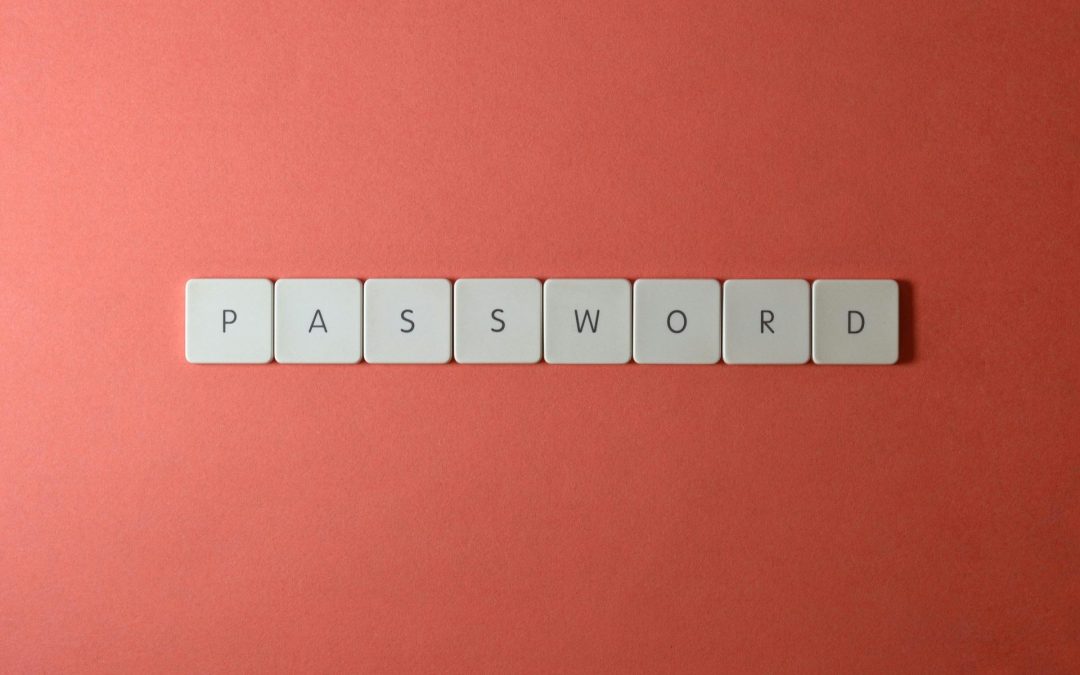
In today’s digital world, password managers have become an essential tool for securing online accounts. They generate, store, and autofill complex passwords, making it easier for users to maintain strong security without the burden of remembering multiple passwords. However, while password managers are excellent for most logins, there’s one account you should think twice about storing: your primary email.
At Nomerel, we strongly advise our clients to treat their email passwords differently. Your email account serves as the central hub for password resets and account recoveries, making it the single most critical point of access to your digital life. If your password manager were ever compromised and your email login were stored there, an attacker could potentially reset the passwords for all your other accounts, leading to a catastrophic security .
What Industry Leaders Say about the Risk
Bitwarden, one of the leading password managers, acknowledges the potential risks of storing your email password within a password manager. If your password manager is breached, an attacker could access your email and use it to reset credentials for other linked accounts. Some password managers are rolling out a security update requiring users to enable multi-factor authentication (MFA) before adding or modifying certain credentials. This is a crucial change aimed at preventing unauthorized access, but users should ensure they have MFA set up in advance to avoid being locked out of their accounts unexpectedly.
Nomerel promotes a layered approach to security, emphasizing the importance of securing your password manager with a robust master password and multi-factor authentication (MFA). While password manager leaders don’t outright say you shouldn’t store your email password, they do highlight the risks involved and encourage users to make an informed decision based on their personal security needs. You can read the full article here.
Best Practices for Email Security
Rather than relying solely on your password manager, consider these best practices to keep your email account secure:
Memorize Your Email Password
Your email account is too important to leave vulnerable. Use a strong, memorable passphrase that you don’t store in your password manager.
Enable Multi-Factor Authentication (MFA)
Utilizing MFA adds a second layer of defense beyond your password. Even if someone gains access to your credentials, they will still need an additional verification factor, such as a mobile authentication app, or biometrics to log in. Though it may seem like an extra unnecessary step, turning on MFA is one of the most valuable things you could do to protect your online email accounts.
Use a Separate Recovery Email or Phone Number
Ensure your recovery options are secure and not tied to easily compromised accounts. Consider using an alternative email address that isn’t linked to your primary accounts to ensure you can still access your email account if you get locked out.
Regularly Update Your Email Password
Changing your password periodically reduces the risk of long-term exposure in case of a breach. Though this may seem cumbersome, it is better to update your password regularly than leave it exposed to potential threats.
Beware of Phishing Attempts
Cybercriminals often attempt to trick users into revealing their passwords through fraudulent emails and fake login pages. Always verify links before clicking and enable phishing protection where possible.
Balancing Convenience and Security
While password managers provide an invaluable security service, they are not foolproof. Cyber threats evolve, and attackers continuously look for ways to exploit vulnerabilities. The key takeaway is to strike the right balance between convenience and security.
At Nomerel, we help businesses implement robust cybersecurity measures tailored to their needs. From secure password management strategies to advanced threat protection, we ensure that your organization stays ahead of potential threats.
If you are a business in Tulsa, Oklahoma or the surrounding region looking to enhance your company’s security posture, contact Nomerel today. We’ll help you build a strong foundation that keeps your most critical accounts protected from cyber threats.
With modern technology progressing at a rapid speed, and cyber threats along with them, businesses can no longer afford to turn a blind eye to cybersecurity. Small businesses, often perceived as low-hanging fruit, are prime targets for cybercriminals who exploit vulnerabilities such as outdated software, weak passwords, and unprotected networks.
At Nomerel, we believe that every business, no matter its size, has the potential to protect itself from cyber threats. By understanding and implementing the basics of cybersecurity, you can significantly reduce your vulnerability and safeguard your organization from becoming a hacker’s next victim.
The Growing Cybersecurity Threat Landscape
Cyberattacks are on the rise, and small businesses are increasingly in the crosshairs. Why? Hackers often assume that these businesses lack the resources to implement robust security measures. According to recent reports:
43% of cyberattacks target small businesses.
60% of small businesses that suffer a cyberattack close their doors within six months.
The costs are staggering—from financial losses and reputation damage to operational downtime. The average cost of a data breach in 2023 exceeded $4.45 million, making proactive cybersecurity measures not just advisable but essential.
Understanding the Hacker Mindset: Why They Target Small Businesses
Hackers are opportunists. They focus on targets with the weakest defenses, exploiting vulnerabilities such as:
Outdated software.
Weak or reused passwords.
Unprotected networks.
Employees unaware of phishing scams.
Becoming a low-hanging fruit means leaving these vulnerabilities unaddressed. At Nomerel, our mission is to help businesses recognize and close these gaps, ensuring you’re not an easy target.
Common Cyber Threats Small Businesses Face
Understanding the threats you’re up against is the first step to building a resilient defense. Here are some of the key dangers small businesses need to address:
Juice Jacking
Public charging stations may seem convenient, but they can harbor hidden dangers. Cybercriminals can install malware on these stations, infecting any device plugged in. Once infected, attackers can access sensitive data or even control your device remotely.
Protective Measures:
Use only trusted charging stations.
Employ a USB data blocker to prevent malware infections.
Ensure devices are set to “charging” mode, not “data transfer” mode.
Malware-Laden Apps
The rise of mobile apps has also led to an increase in malicious applications that can infect devices, steal personal data, and even crash systems.
Protective Measures:
Download apps only from trusted developers and official app stores.
Check reviews and ratings before installation.
Regularly update all installed apps to ensure they have the latest security patches.
Malicious QR Codes
QR codes offer convenience but can also be used by hackers to direct unsuspecting users to malicious sites or install malware.
Protective Measures:
Use reputable QR code scanners that check for malicious content.
Avoid scanning codes from unknown or untrusted sources.
Using Public Wi-Fi Without a VPN
Public Wi-Fi networks are notorious for being insecure, providing an easy avenue for hackers to intercept sensitive data.
Protective Measures:
Always use a Virtual Private Network (VPN) when connecting to public Wi-Fi.
Avoid accessing sensitive accounts or conducting financial transactions on unsecured networks.
Cybersecurity Basics: Strengthening Your Defense
Here are fundamental practices every small business should adopt to mitigate cyber risks:
Keep Software Up-to-Date Outdated software is a common entry point for hackers. Regular updates patch vulnerabilities, closing the door on potential attacks.
Enable automatic updates for operating systems and applications.
Check for updates for hardware devices like routers and firewalls.
Strengthen Passwords and Use Multi-Factor Authentication (MFA) Though many people prefer to use the same password across accounts, weak or reused passwords are a major security risk. Instead, use a different password for each account and employ MFA to add an extra layer of protection. Best practices include:
Require complex passwords with a mix of letters, numbers, and symbols.
Use a password manager to avoid reusing credentials.
Implement MFA for all critical systems and accounts.
Train Employees on Cybersecurity Awareness Employees are your first line of defense against threats like phishing scams. Without well-trained employees, they can easily fall victim to the ploys of a hacker. To maintain cybersecurity:
Conduct regular training sessions on identifying suspicious emails and links.
Foster a culture of cybersecurity where employees feel confident reporting potential threats.
Secure Your Network A secure network is critical to protecting sensitive data. Make sure to follow these steps to secure the data of your company:
Use firewalls to block unauthorized access.
Encrypt sensitive data during transmission.
Provide secure VPNs for remote workers.
Back Up Your Data Just because a security breach has not happened to you does not mean it will never happen. Regular backups are essential for recovering from ransomware attacks or data loss.
Follow the 3-2-1 rule: Keep three copies of your data, on two different types of storage, with one copy off-site.
Monitor for Suspicious Activity Early detection is key to mitigating damage from cyber threats. The best way to prevent a cyber-attack is to:
Use monitoring tools to identify unusual activity.
Partner with an IT provider like Nomerel for 24/7 monitoring and threat detection.
Advanced Cybersecurity Measures for Forward-Thinking Businesses
For those ready to go beyond the basics, advanced strategies like Zero Trust Architecture and AI-driven threat detection can provide robust protection. Zero Trust assumes that no user or device is trustworthy by default, requiring strict verification for access. AI tools can identify patterns and potential threats, adding another layer of defense.
How Nomerel Can Help
At Nomerel, we specialize in crafting tailored cybersecurity solutions for small businesses. Our services include:
Customized Security Plans: We evaluate your unique needs to implement effective, scalable defenses.
Proactive Monitoring: Our team provides round-the-clock threat detection and response.
Employee Training: Equip your team with the knowledge to recognize and mitigate risks.
Compliance Support: Stay aligned with industry standards like HIPAA, PCI DSS, or CMMC.
Take the First Step Toward Cyber Resilience
Don’t let your business become low-hanging fruit for cybercriminals. By addressing common threats, implementing cybersecurity basics, and partnering with experts like Nomerel, you can protect your data, maintain customer trust, and ensure long-term success.
Ready to strengthen your cybersecurity strategy? Contact Nomerel today for a consultation. Let’s work together to secure your business against the evolving threat landscape.
In today’s fast-evolving technological landscape, a well-structured IT plan is not just a luxury—it is a necessity for businesses striving to stay competitive. To optimize your resources and ensure your investments align with your overarching business goals, combining a strategic tech plan with smart budgeting is essential. At Nomerel, we specialize in helping businesses craft this winning combination, empowering them to navigate thier IT journey with confidence.
With 2025 upon us, now is the time to reassess and optimize your technology strategy. Let us dive into how comprehensive planning and budgeting can set your business up for long-term growth.
Why a Tech Plan Matters
A robust IT strategy is a vital component of a well-executed business plan. It provides your organization with direction and focus, enabling you to make informed decisions about how and where to allocate resources. A strong tech plan is not just about keeping up with technological advancements – it is about leveraging them to create a competitive edge and ensure operational efficiency. The advantages of a well-defined tech plan include:
1. Alignment with Business Goals
Your IT strategy should directly support and drive your broader organizational objectives, ensuring that each investment serves a clear business purpose. This alignment allows your business to innovate strategically and achieve measurable outcomes.
2. Proactive Resource Allocation
Anticipating future needs and opportunities allows for more effective use of resources. By identifying potential challenges and emerging trends, your business can reduce the likelihood of unplanned costs and optimize your IT investments.
3. Informed Decision-Making
A strategic plan gives you clear priorities and actionable insights, empowering smarter choices when it comes to technology investments. This approach minimizes risks while ensuring that your IT strategy evolves alongside business demands.
At Nomerel, we specialize in creating customized IT roadmaps that align with your unique business objectives. Our strategies help you stay agile and prepared, allowing you to lead with confidence in a rapidly changing technological landscape.
What Nomerel delivers.
Nomerel will bring experience and a comprehensive suite of tools to build your IT strategy effectively, demonstrate ROI, and keep you informed and engaged.
Executive Summaries
Clear & Concise Communication: Nomerel will deliver a high-level overview that summarizes key insights of your IT strategy. These summaries highlight critical IT initiatives, progress, and upcoming milestones, making it easy to understand the technology changes, risk mitigation, compliance attainment and value.
Tailored to Business Objectives: Nomerel will customize executive summaries to reflect our clients’ specific business goals, showing how our IT solutions support their broader strategy.
Detailed IT Roadmaps
Strategic Planning: Nomerel will map out a clear, actionable plan that aligns IT initiatives with our client’s long-term business vision. Nomerel creates roadmaps that prioritize projects, resources, and timelines—helping our clients stay focused on their business goals.
Futureproofing: Nomerel keeps clients ahead of the curve by incorporating forward-looking IT strategies, such as system upgrades, new technology integrations, and cybersecurity measures.
Interactive Quarterly Business Review (QBR) Presentations
Engaging & Insightful: Nomerel creates dynamic QBR presentations that showcase the progress of your IT projects and highlights business outcomes. Interactive elements allow our clients to drill down into specific data points, offering deep insights.
Data-Driven Results: Nomerel leverages performance metrics, analytics, and real-time data to demonstrate the tangible value we have delivered.
Once your tech plan is in place, the next step is to create a budget that will optimize your IT operations without stretching resources too thin. Instead of simply rolling over last year’s budget, take the time to evaluate your current and future needs, seeking out opportunities for growth and improvement.
Nomerel focuses on these four critical areas when crafting your IT budget and roadmap:
1. Routine IT Services
Routine maintenance is essential for ensuring minimal downtime and maintaining productivity. Regular monitoring of your infrastructure can also help protect against emerging cyber threats. Solutions like vulnerability scanning and network monitoring are crucial for safeguarding your data and systems.
2. IT Projects
Consider initiatives that will help expand your capabilities, such as upgrading outdated hardware, adopting innovative software, or improving your cybersecurity posture. These one-time investments can have long-lasting benefits for your operations.
3. Technology Refreshes
While sticking with legacy systems may save money in the short term, outdated technology can lead to inefficiencies, increased security risks, and compliance issues. Regular technology refresh cycles ensure that your systems remain secure, efficient, and competitive.
4. Incident Preparedness
Given the rising frequency of cyberattacks and data breaches, it is essential to prepare for unexpected incidents. Strengthen your incident response plans and cybersecurity infrastructure to minimize potential disruptions, including proactive measures against ransomware and other threats.
Ready to work together? Nomerel Has You Covered.
At Nomerel, we are dedicated to helping businesses unlock their full potential through strategic IT planning and budgeting. If you are ready to implement an IT strategy that will drive long-term growth and resilience, Nomerel will guide you every step of the way. Contact us today for customized guidance that aligns with your unique business needs.
Together, we will ensure that your technology investments fuel success and position you for growth in 2025 and beyond.
Imagine managing a bustling healthcare clinic where patients rely on timely access to care and critical medical information. The day is running smoothly until, suddenly, a power outage disrupts access to patient records, or worse, a cyberattack compromises sensitive data, leaving both staff and patients in confusion. Operations grind to a halt, appointments are delayed, and patient care is impacted. It’s a stressful scenario, but with a well-prepared Business Continuity Plan (BCP) and our dedicated team at Nomerel by your side, your clinic can stay resilient and keep things moving, even during unexpected crises.
Unexpected chaos can strike any business at any time. One moment, you’re basking in the glory of running a successful establishment; the next, you’re thrown against a wall, staring at a crisis that could disrupt your entire business. Don’t let this be your story.
At Nomerel, we specialize in helping businesses prepare for the unexpected. In this blog, we’ll share key steps to create a Business Continuity Plan (BCP) that works for you and ensures your business stays up and running, even in the face of disaster.
Key Steps for Successful Business Continuity Planning
Here’s how you can stay resilient, no matter what challenges come your way:
1. Identify and Prioritize What’s Most Important for Your Business
Every business has vital functions that must continue, no matter the situation. The first step in building a solid BCP is identifying these business-critical resources, a process Nomerel specializes in. Once you’ve figured that out, try to understand how sudden disruptions can affect these functions.
For instance, if you run a retail store, your point-of-sale systems and inventory management would be business-critical. Any disruptions to these could result in lost sales or poor customer experience. At Nomerel, we help businesses pinpoint these key functions, so they can keep things running smoothly—even during a disruption.
2. Develop a Comprehensive Plan
It’s not enough to just know what’s important—you also need a clear, step-by-step plan to minimize downtime. Nomerel collaborates with businesses to design these detailed, actionable plans, assigning roles and responsibilities so everyone knows their part when a disruption occurs.
For example, if your primary server goes down, your IT team should be ready to switch to a backup server, while your customer service team handles client communication. Our team at Nomerel ensures plans are easy to follow, providing a fast and organized response.
3. Use the Latest Technology to Protect Your Data
One of the biggest threats to business continuity is data loss. That’s why leveraging the modern technology that Nomerel offers our clients, like cloud backups and failover systems, is crucial. These tools ensure that even if your systems go down, your data remains secure and accessible.
For instance, a law firm might use cloud storage to back up client files regularly, so even in the event of a cyberattack, the data is retrievable when needed. At Nomerel, we help businesses implement these critical technologies to ensure their operations stay secure and efficient.
4. Train Your Team and Test the Plan
Even the best continuity plan won’t work if your team isn’t ready to implement it. Regular training and testing with your staff and Nomerel’s expertise ensures that everyone knows their role and can act quickly in an emergency. Running mock scenarios also helps you spot potential weaknesses and make improvements.
For example, a healthcare provider might simulate a system outage to ensure staff know how to access patient records through backup systems. Nomerel works with businesses to create and lead training and testing,ensuring your team is prepared when it matters most.
5. Involve Key Stakeholders
Your business continuity plan should involve input from your key team members. Gathering feedback from managers, IT personnel, and other critical staff ensures that your plan is both practical and comprehensive.
For example, your accounting team might have unique concerns about maintaining access to financial data during an outage. Our dedicated team at Nomerel helps businesses involve all relevant stakeholders in the planning process, so no detail is overlooked.
6. Monitor and Improve Continuously
Business continuity is an ongoing process, and your plan should evolve as your business grows or as new threats emerge. After a disruption, gather feedback collaborate with us at Nomerel to strengthen your continuity strategies.
For instance, after a network outage, you might implement additional failover systems or improve customer communication protocols. At Nomerel, we work with businesses to regularly review and update their plans, ensuring they stay ready for whatever comes next.
Continuity Planning Simple with Nomerel
We know that planning for the unexpected can feel overwhelming, especially when you’re running a small or mid-sized business. But you don’t have to do it alone.
At Nomerel, we offer expert guidance every step of the way, from identifying your critical operations to implementing advanced failover systems.
Let us help you build a business continuity plan that keeps your operations running, even when disaster strikes.
Nomerel is a Managed IT Service Provider headquartered in Tulsa, Oklahoma. Nomerel specializes in delivering cost-effective and reliable technology solutions for small and mid-sized businesses. Founded in 2008, Nomerel has evolved from a break-fix company to a proactive business partner that offers IT support, cybersecurity, and vCIO services, helping businesses maintain and optimize their IT infrastructure. With a focus on agility and simplicity, Nomerel ensures businesses can stay competitive without the need for in-house IT expertise.
Back in January of 2020, we began to watch with wary interest as the news trickled out of China about their ‘local’ health incident. With the shrinking world and the expanding global economy, there were murmors around our office about what it might mean for us. Hindsight being what it is, those watercooler conversations with their hypothetical scenarios all seem pretty quaint now, as we enter into the dog days of summer with no end in sight to either the heat or the seemingly incessantly escalating predictions of doom. Like all our Oklahoma businesses, we had to grapple with the rapidly moving goal posts of public response. But, perhaps unlike many of our Oklahoma business neighbors, we were pre-positioned to thrive in the evolving American workforce. The week before Oklahoma Governor, Kevin Stitt, began rolling out lockdowns we had already initiated a full remote workforce shift. We knew that our client base of small and medium sided Oklahoma businesses would be required to shift to a remote workforce and we didn’t want to be hammered with calls and requests for remote worker setup while our team was still shuffling into position.
Some of our staff have been providing IT support for long enough to remember when remote work meant saving documents and emailing them to co-workers for review. A few of us have been providing IT support long enough to remember when mobile hotspots were still the ‘technology of the future’. But for many of our Oklahoma based IT Helpdesk Support Techs, a life without WI-FI, Highspeed connectivity and instant full-duplex communications over VOIP or live video streaming simply has never existed. The technology that we have sold and supported to Oklahoma small and medium sized businesses for so many years just meant that, with a few hours notice, our team was able to grab a few items from their offices and transition fully and seamlessly to our new ‘temporary’ work from home offices. Things moved so quickly. On Wednesday we were taking about the possibility of a remote work shift. That very next night we had a 7pm phone call with the team, went remote the next Friday and that was, let’s see…a lot of Mondays ago now.
Those first few weeks were a cacophony of urgent telephone calls for technology needs. Everything was urgent. Everything had to happen yesterday. In one sense, that’t just a normal day in Tulsa Oklahoma IT Managed Services Consulting. But, in a much more real sense, in this case it actually had to happen immediately. The urgency was real. Calls came into our Tulsa IT Helpdesk asking for:
– Expedited SSL VPN license purchase and configuration on Dell Sonicwalls
– Configuration of Sophos VPN connections
– Configuration of Remote Access on Macbooks and Macbook Pros
– Clarity on if they might still be able to run that Windows 7 laptop securely from home
– Ways to measure their workforce productivity
– In some cases, folks were literally taking their entire Levono or Dell Desktop computers home to use remotely over VPN.
– Clients got serious about IT Collaboration using tools like MS Teams or Zoom.
Some clients who had antiquated phone systems that had been ‘working’ with judicious application of duct tape and patience were finding themselves unable to scale their resources and have them work remotely. This meant several on the fly emergency phone system migrations. We found ourselves porting phone numbers, rolling out out Cloud Based VOIP Telephone solutions, shipping VOIP headsets around the country and configuring VOIP PBX routing from the business phone systems to apps installed on personal cell phones, whereby employess could use their personal or company owned cell phones but have the Office Phone system features including extension routing, call recording and cell phone number obscurity all in place.
Yes, that’s just a normal month in the Oklahoma IT Managed Service Provider industry. The difference was that this was all happening at once, across most of our outsourced IT client base. And as word got out, as it often does, that we were getting stuff done that the other folks couldn’t, the calls just kept coming. There were a few weeks where we just stopped looking at performance metrics. Everyone just kept their head down, kept swinging, kept pushing and kept providing the IT Support our clients needed. When the calls began to normalize, we found ourselves looking at a new IT landscape. Clients were beginning to see the power and the leverage that these remote workforce tools presented them with. The game is changing. The tools are more powerful than ever. Nomerel answered the call when COVID came calling, like, actually answered the phones and returned the emails. We got it done then and we are getting it done still. Give us a call and let us show you how we can help you leverage the tools out there to maximize your return and productivity.
Recent Comments